Radio
Sleep Timer
Off
15 minutes
30 minutes
1 hour
2 hours
Stations
HOPE RADIO

Hope Radio
Live Radio
Ready
Now Playing

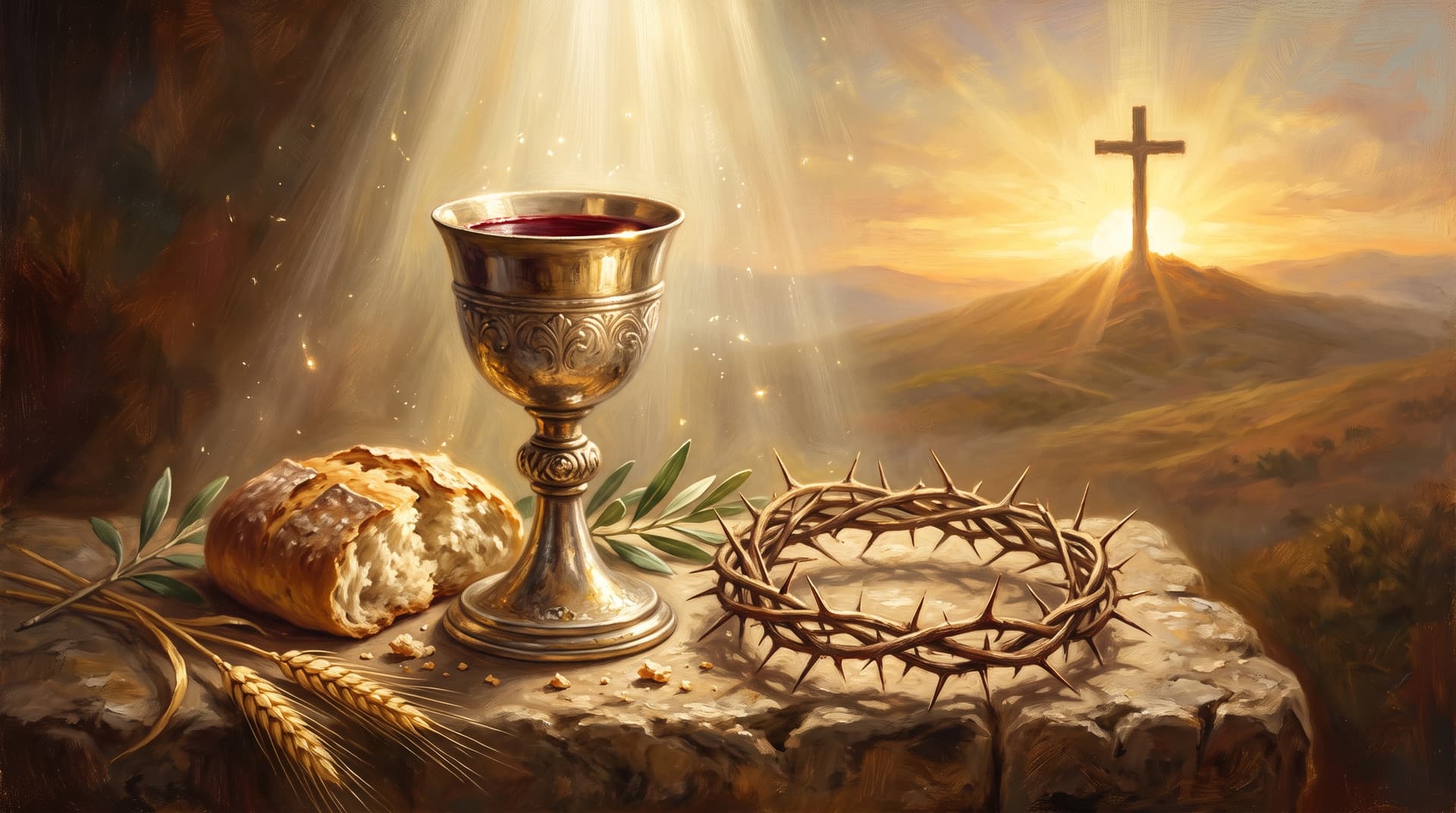
The mercy of God is not an abstract sentiment; it was purchased through a definitive, historic mechanism: the shed blood of Jesus Christ. Grounded in the enduring truth of Numbers 23—that "the shout of a King is among them" and no divination or enchantment can prevail against God's people—believers stand on a firm covenant established not by the effort of man, but by the life of the Son of God.
Understanding the depth of this sacrifice requires examining the contrast between the Old and New Covenants, unpacking the rights of our eternal inheritance, and stepping into the daily authority that Christ’s blood provides.
Under the Old Covenant, the high priest entered the earthly Most Holy Place once a year, carrying the blood of bulls, goats, and calves. While this system ceremonialized external purification, it had built-in limitations:
Temporary Cleansing: Animal sacrifices could purify the flesh, but they could never permanently clear the human conscience. Guilt would return almost immediately, often while the feasts were still underway.
Imperfect Offerings: Though sacrificial animals were required to be outwardly unblemished, true moral perfection remained out of reach. God looks at the heart, and an animal substitute could never address the deep spiritual disconnect within humanity.
In sharp contrast, Hebrews 9 reveals the supremacy of Christ’s offering. Jesus did not enter an earthly sanctuary made with human hands; He entered the heavenly realm with His own blood, once and for all, securing eternal redemption.
As Scripture declares, "How much more shall the blood of Christ, who through the eternal Spirit offered Himself without spot to God, cleanse your conscience from dead works to serve the living God?"
The blood goes straight to the primary battleground of the believer: the conscience. Where the enemy attempts to weaponize past mistakes, guilt, and inadequacy, the blood of Jesus purges the record and silences accusation. Christ stands as the Mediator of this New Covenant, guaranteeing access to an eternal inheritance.
The sacrifice of Christ did far more than remit sin; it restored believers to full spiritual wealth. Through His blood, an eternal inheritance is opened, including:
Eternal Life: Unbroken, everlasting union with God through faith in Christ.
The Indwelling Holy Spirit: The divine seal placed upon the believer, empowering daily navigation through a broken world.
Direct Access to the Father: The veil has been torn. Believers no longer rely on a human high priest or an annual date on the calendar; communion with God is immediate and unrestricted.
Spiritual Blessings in Heavenly Places: Every spiritual resource required for life, godliness, and purpose has already been secured.
Drawing from Hebrews 8, the New Covenant brings a fundamental internal transformation: "I will put my laws in their mind and write them on their hearts; and I will be their God, and they shall be my people."
This truth carries deep practical power, especially within families. When children struggle, rebel, or drift from godly foundations, parents are called to enforce this covenant rather than despair. The prayer of faith lays hold of God’s promise:
"Lord, I connect my children to this New Covenant. You promised to place Your law into their minds and write it upon their hearts. You are their God, and they belong to You."
The New Covenant operates from the inside out, establishing a deeper, more enduring transformation than outward rules ever could.
Hebrews 9:26 emphasizes that at the end of the ages, Christ appeared to put away sin by the sacrifice of Himself.
To "put away sin" means to break its reign and dismantle its authority. Because the full price has been paid, persistent sinful cycles and spiritual bondages are rendered illegal in the believer’s life. Furthermore, Christ now stands in the presence of God on our behalf—His blood continually speaking mercy, redemption, and victory. He bore the sins of many once, and He will return to bring final salvation to those who eagerly wait for Him.
If the Old Testament saints trusted that the temporary blood of an animal provided physical covering, how much more should believers rest in the perfect efficacy of the blood of Jesus?
Walking in this reality means:
Refusing Condemnation: When memories of past failures arise, believers do not strive to earn God’s favor through dead works; they answer the accusation with the finished work of the Cross.
Maintaining Covenant Consciousness: Carrying a steady awareness that we are redeemed by an eternal, unchanging covenant—every day of the week, in every environment.
Standing in Authority: Taking our place as spiritual watchmen, interceding over neighborhoods, workplaces, and nations with bold confidence.
Seeking Personal Revelation: Moving beyond religious slogans to ask the Holy Spirit for personal, experiential understanding of what the blood has purchased on our behalf.
As we go about our daily assignments, we go covered, redeemed, and secure. Christ’s sacrifice was once for all—and its power remains active, uninterrupted, and supreme today



Leave A Comment